Table of Content
While soft, natural light is great for outdoor photography, your studio photos cannot do without a consistent source of artificial light. To control artificial light, you need the right kind of lighting equipment. Constant and continuous light can be reliably obtained for under $20 with modern LED lamps. Combine these with color filters and DIY lighting strips to produce an impressive range of colors. These are perfect for tabletop photography, including photographing food and still items.
You need not have to worry if your product is not 100% accomplished because it is possible to fix the defects in Photoshop. Yet another detail you may also want to add is that where your models if any of them you are using can wait and change. A collapsed background is a great way to start, that is if you are not able to install a permanent background. Most importantly, when compared to Lastolite collapsible backdrops. Always prefer stands which extends up to 2.4 meters and higher, as many of the times, the lights are above the model.
#3 How to Create a Home Photography Studio
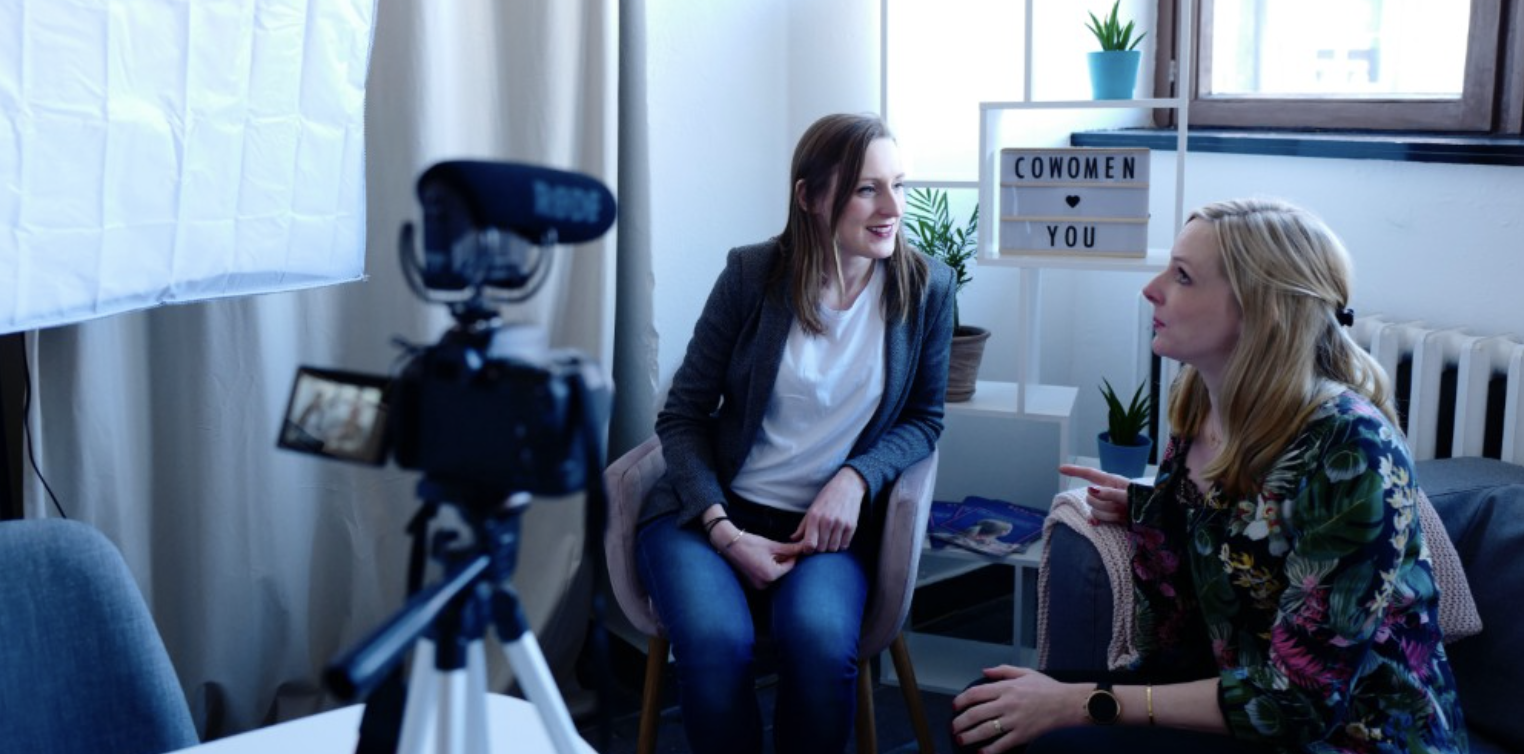
Whether it is to sit the model or play with different postures, a common bench or a small table, among other decorative elements, will always be useful in your study. These will help you prevent your lights from illuminating areas that you don't want to be illuminated. It is important that you position them in such a way that they cover approximately 30 cm more on each side of the edges of your window. Considering this, our recommendation is that you look for a space where you can get full-body portraits with a lens of at least 50mm. In this video, Pixel Village demonstrates how to set up a Portrait Studio in 10x12ft size. Color filters are often used to change the warmth or cooling effects of natural colors in the environment.
Product photographers need similar imaginative methods to play up a brand message. Hence, a cabinet of the most commonly used photography props can help you take superb photographs. Seamless paper does the job of a colored wall quite adequately and is also the most economical option. You can easily change or roll up seamless paper backgrounds from collapsible stands or wall mounts.
How To Build Your Photo Studio at Home On Budget in 2023?
The needs of an enthusiast differ from a professional commercial photographer. You’ll need an interchangeable lens DSLR or mirrorless body with manual controls for shutter speed, ISO, and exposure compensation. What’s more, it needs to perform well in low light conditions.
You can also check the Camera Accessories every photographer should have. In this tutorial, we are going to explore how to set up a photography home studio on a budget. We have listed 5 very useful photography videos to give an idea of how to achieve that. Alternatively, you can get your work recognized simply by setting up a digital home for your photo portfolio. The advantage of owning your own portfolio website is that you get more control in organizing and presenting your best work.
Creatives love Pixpa
You spent a lot of money on your camera and lighting equipment – you don’t want it to get damaged lying around the house. A tripod is an essential piece of home photography studio equipment. A reflector usually bounces a natural light source onto your subject. They come in a range of sizes and are suitable for outdoor shoots to reflect the sunlight. Mismanagement of camera settings can turn an A-star studio into a D-minus one. Non-photographers or beginners may have trouble achieving the right camera settings.
Food photographers, on the other hand, may require a table and chairs along with a kitchen area. Product photographers would need souvenirs and knick-knacks to serve as photography props. Using the space that you have efficiently requires that you segregate areas for particular jobs. Portrait photographers would need space for a backdrop screen, a work desk, a filing cabinet for prints, furniture, magazines, and toys. The last three items will help make a good impression on your customers.
A light modifier is a piece of equipment that controls the direction and spread of light before it reaches your subject. It also produces hard shadows that add discordant contrast to your image. Monolight strobes can provide up to 1000 Watts of concentrated power. They have the advantage of a broader range of supporting light modifiers available. They are great for use with octagonal, parabolical, and softbox diffusers and allow greater control in light manipulation.

The next most crucial things for your DIY photo studio at home are duct tape and clamps. These become essential when you want to stick your backdrop to your wall or hold the product in place. For smaller subjects, you can also create your own DIY softbox using a cardboard box, white paper sheet, and the same lighting bulbs. Using an SD card of 64GB is quite enough for a DIY photo studio at home and it should not cost you any more than $10. If you’re a busy photographer with multiple projects, I’d advise you to keep two SD cards. Taking small steps to set up a home photography studio makes the journey more enjoyable – especially if you add a few DIY projects into the mix.
If you already have a camera and assortment of lenses, then your shopping list is going to be smaller than someone who’s starting from scratch. Thus, start capturing photos in accordance with all the factors we discussed above. Additionally, it helps to balance the colors, adjust lighting & shadows, and add effects. Use a tripod with a slower shutter speed which also helps to capture brighter images. Anything and everything is a prop if it suits well the style of photograph you’re capturing.
This will determine how much space you need, and what you will need to have in the space as well. Becomes the second last in the list is having large access to the window for allowing the natural light to come in. Just make sure that you should clean your house a little bit and clear some space to work around the window. The key is to have ample natural light and a workplace, which allows you to move comfortably while taking the pictures. Reflective, white, and black surfaces are the minimum requirements for building your DIY product photography studio at home on a budget.
The Neewer and Godox are cheap umbrellas, softboxes, and octal boxes. The tools are considered quite good and can be easily folded into handy, small, and easy-to-store packages. The white paper is essential to be placed behind the product for creating a seamless white photo backdrop. The necessary part is to get a long roll of white paper sweep in order to decrease the amount of post-production work.
If on a budget, I recommend using a large plastic storage container with a rubber seal to store your camera, lenses and lighting kit. If you have a bigger budget, consider the purpose-built camera storage cases available at camera stores. If you’re shooting portrait or fashion images, have somewhere comfortable and private for models to change.
Shoot the right way
This ultimate 3-section guide to build a DIY photo studio at home includes everything that you need to build a professional photography setup. Studio Gear Cost – An enthusiast could keep costs low with a lot of DIY hacks. They could expect to pay US$300 – $500 for a single Speedlight, remote trigger, softbox and stand. At a pro-level, the cost of lights, background and additional photo equipment could exceed $2000 to $5000 for a multi strobe kit.


No comments:
Post a Comment